
national cookbook
In collaboration with Queen Mary University of London, this Speculative Futures project seeks to answer the HACKMASTERS brief asking
“What will trust look like in the future?”
In a future where automation has replaced both physical and creative labour, society has become increasingly isolated. Work, once a source of identity and social connection, has disappeared. Libraries sit empty, community halls decay, and public trust has eroded alongside the spaces that once sustained it.
People no longer gather.
They consume.
Alone.
The National Cookbook imagines a nationwide network of communal making spaces designed to rebuild trust through collaboration.
At the centre of each space is a shared interactive table — a tool that recognises materials, projects guidance, and connects people through collective acts of making, repairing, cooking, designing, and learning.
The system draws from a constantly evolving archive of shared knowledge: a national “cookbook” built from the contributions, skills, and creations of communities across the country.
As people gather around the table, the system adapts to them. Tutorials appear across the surface. Skills are shared between strangers. Local knowledge is preserved and passed on. Repair replaces disposal. Participation replaces consumption.
The project proposes the retrofitting of abandoned public infrastructure — libraries, civic buildings, disused retail spaces — into new forms of third spaces centred around creativity and collective ownership.
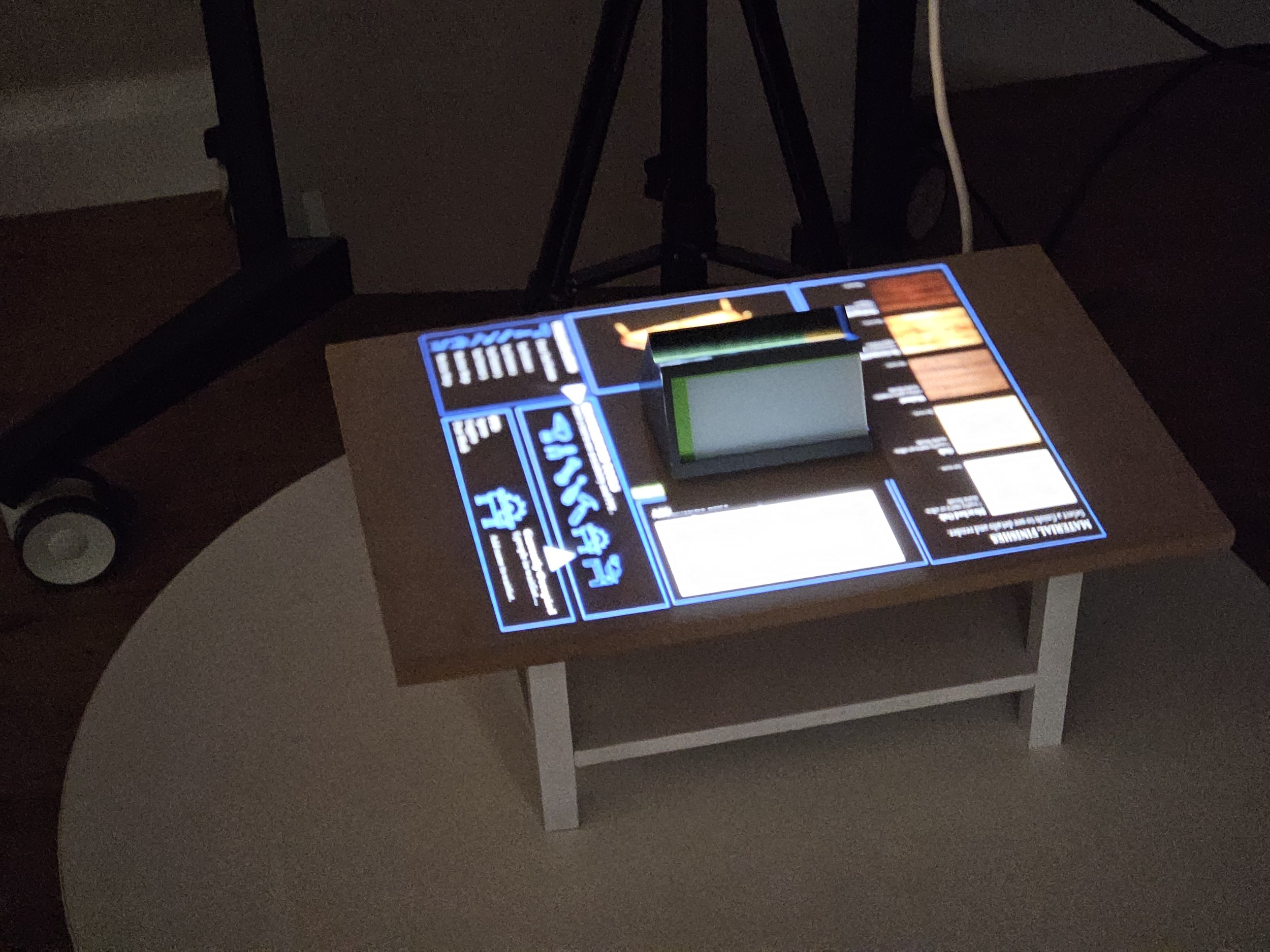
In this future, trust is rebuilt not through policy or surveillance, but through making things together.
Yet beneath this optimistic vision lies another possibility.
The National Cookbook depends upon participation, contribution, and visibility. In order for the system to function, people must share their skills, behaviours, preferences, and creations with a centralised national archive.
Over time, collective knowledge becomes collective data.
The same system designed to reconnect society could also standardise it — quietly shaping what people create, how they collaborate, and which ideas are preserved.
When creativity becomes infrastructure, who controls the blueprint?
And when communities are rebuilt through systems of shared intelligence, where does authorship end and ownership begin?
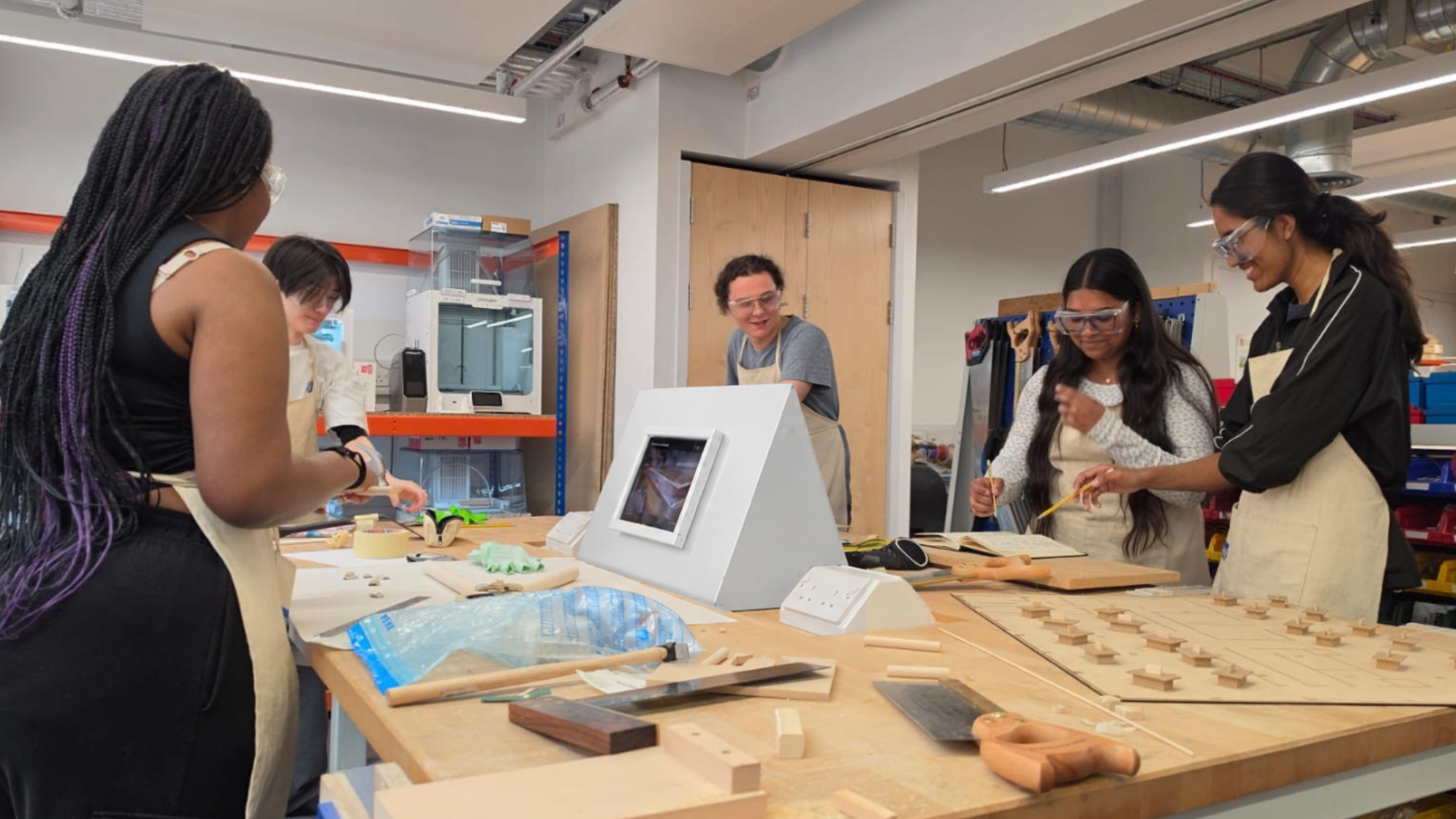
The National Cookbook is both a proposal and a warning.
A future where technology helps rebuild public trust.
Or one where trust itself becomes another resource to be managed.
In this future, creativity becomes social infrastructure.
Repair becomes a civic act.
And the table once again becomes the place where trust is made.
Meet the Team