visible
In a future shaped by isolation, automation, and declining social participation, communities have become increasingly fragmented. Public trust still exists, but it is no longer visible.
What happens when society forgets how to trust strangers?
DYSTOPIA
By 2036, social trust has eroded almost completely.
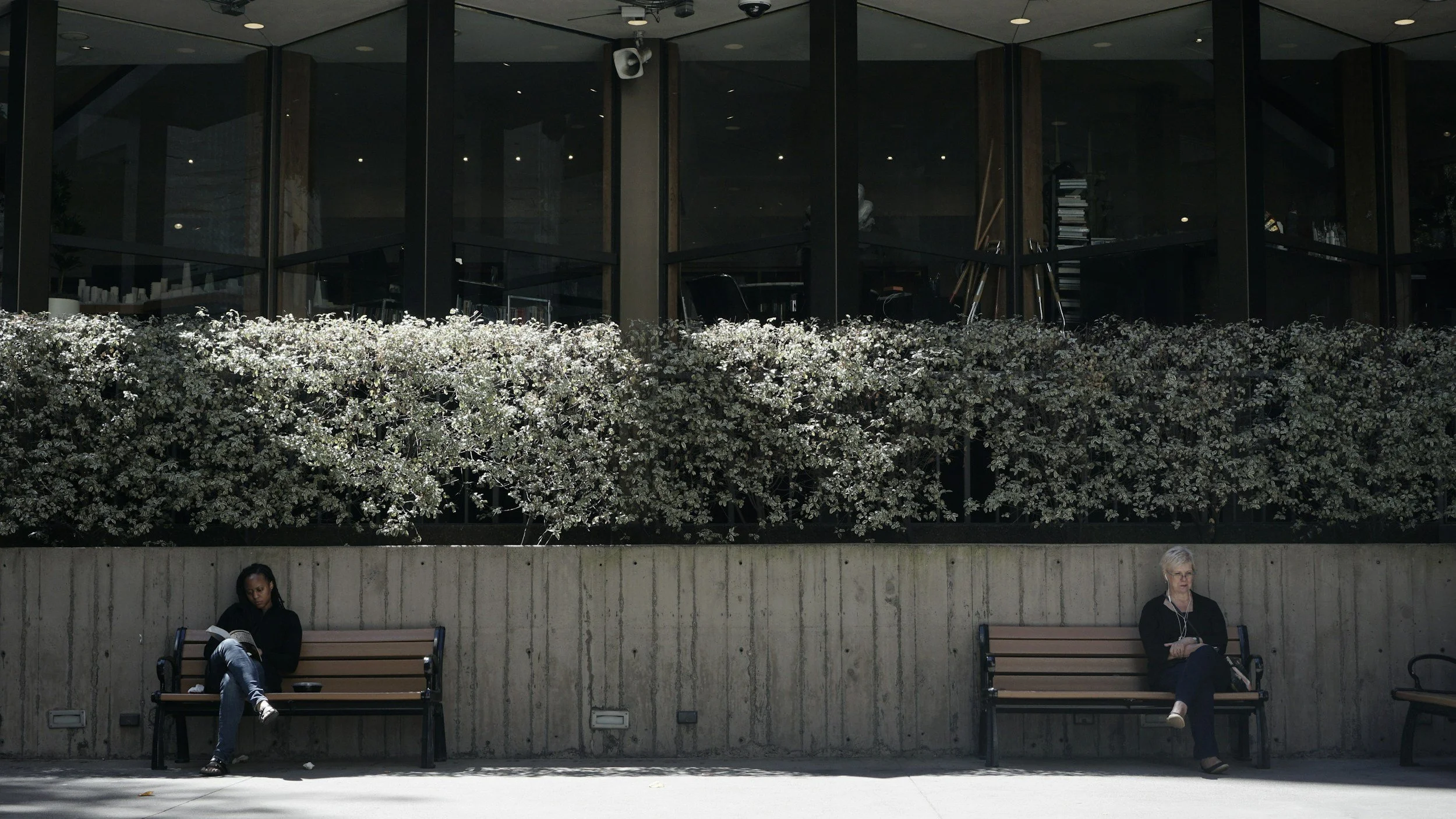
Over-reliance on AI systems and automated lifestyles has reduced everyday human interaction to the bare minimum. People rarely leave their routines beyond work, shopping, or the gym. Social spontaneity disappears.
Strangers become viewed with suspicion.
Even trustworthy people no longer “look” trustworthy.
At the same time, automation eliminates millions of jobs, stripping people not only of income, but of identity and purpose. Communities become fragmented as isolation deepens across generations.
Citizens increasingly retreat into controlled, predictable environments where algorithms manage interaction for them.
Human connection becomes something avoided rather than embraced.
DYSTOPIA
Over-reliance on AI, social laziness → collapse of community and interpersonal trust
People stick only to safe routines (work, shopping, gym); strangers seen as untrustworthy
Automation eliminated 3M+ jobs; loss of work identity compounds isolation
UTOPIA
Mandatory community service (rebranded from that term) baked into civic life
Educational placements: shadowing paramedics, food banks, care assistance, blood deliveries
Performance logged in a database; biometric scent-based door system at shops/supermarkets lights green for those who've completed service
Children participate via school curriculum; elderly supported by service participants
Long-term goal: everyone completes service, making the green light universal and stigma-free
UTOPIA
In response, a new form of civic participation emerges.
Inspired partly by jury duty and mandatory national service systems seen globally, the proposal introduces a modernised form of community service designed to rebuild empathy, trust, and social visibility.
Rather than punishment, the programme becomes a form of civic upskilling.
Every citizen participates in practical community placements throughout their life:
Shadowing paramedics
Assisting at food banks
Supporting elderly care
Delivering blood supplies
Helping maintain local infrastructure
The goal is not efficiency. The goal is exposure to other people’s realities.
By participating in local systems of care, citizens develop empathy, practical skills, and a renewed sense of shared responsibility.
Participation is logged through a national trust system connected to scent-based biometric identification technology integrated into public spaces.
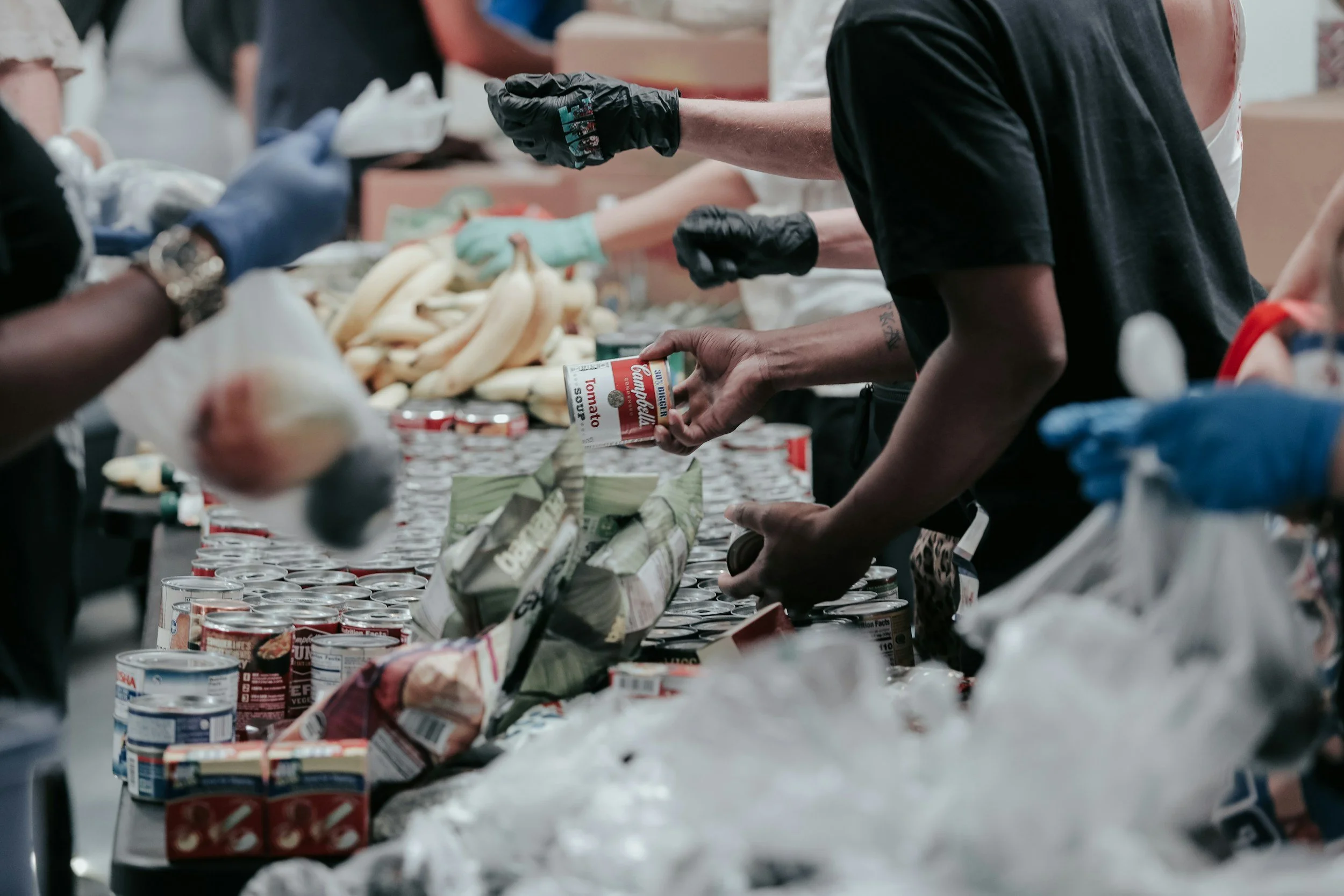
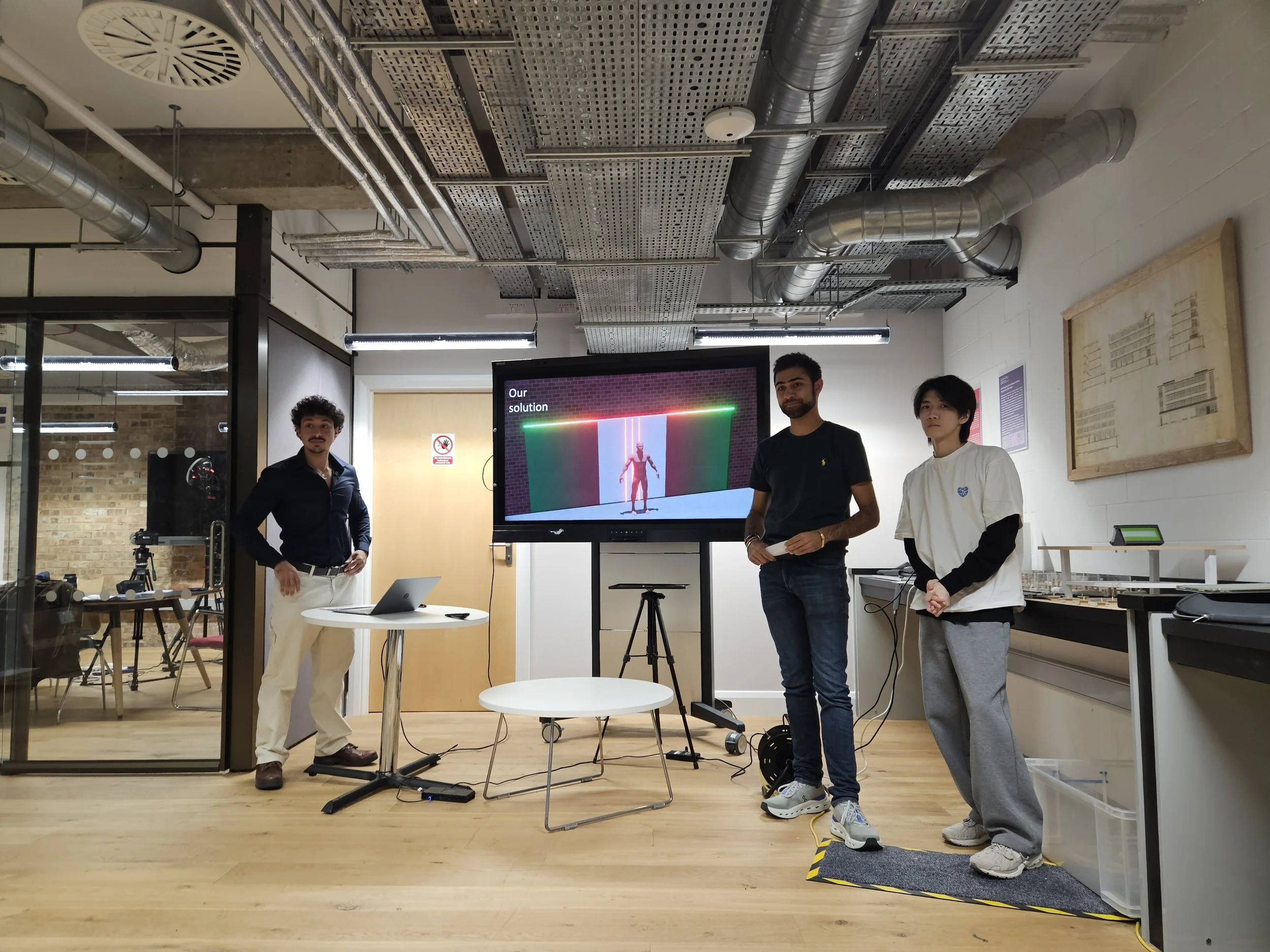
At supermarkets, shopping centres, and civic buildings, doors recognise individuals who have completed their civic contribution.
A green signal illuminates.
The gesture is intentionally simple. Not surveillance. Not punishment. But a visible acknowledgement of participation.
The proposal challenges stereotypes by making contribution visible regardless of age, appearance, or social identity.
A teenager in a hoodie. A retired neighbour. A stranger.
All become visibly connected through contribution to the collective.
Children participate through schools from an early age, embedding civic engagement directly into education.
Over time, the ambition is for participation to become universal.
The green signal eventually stops being exceptional. It simply becomes normal.
A society where trust is no longer assumed — but continuously earned through visible care for others.
Meet the Team
-
![]()
Arthur Pereira De Morais
Design, Innovation & Creative Engineering
-
![]()
Abhay Kaura
Design, Innovation & Creative Engineering