

berlin 2026
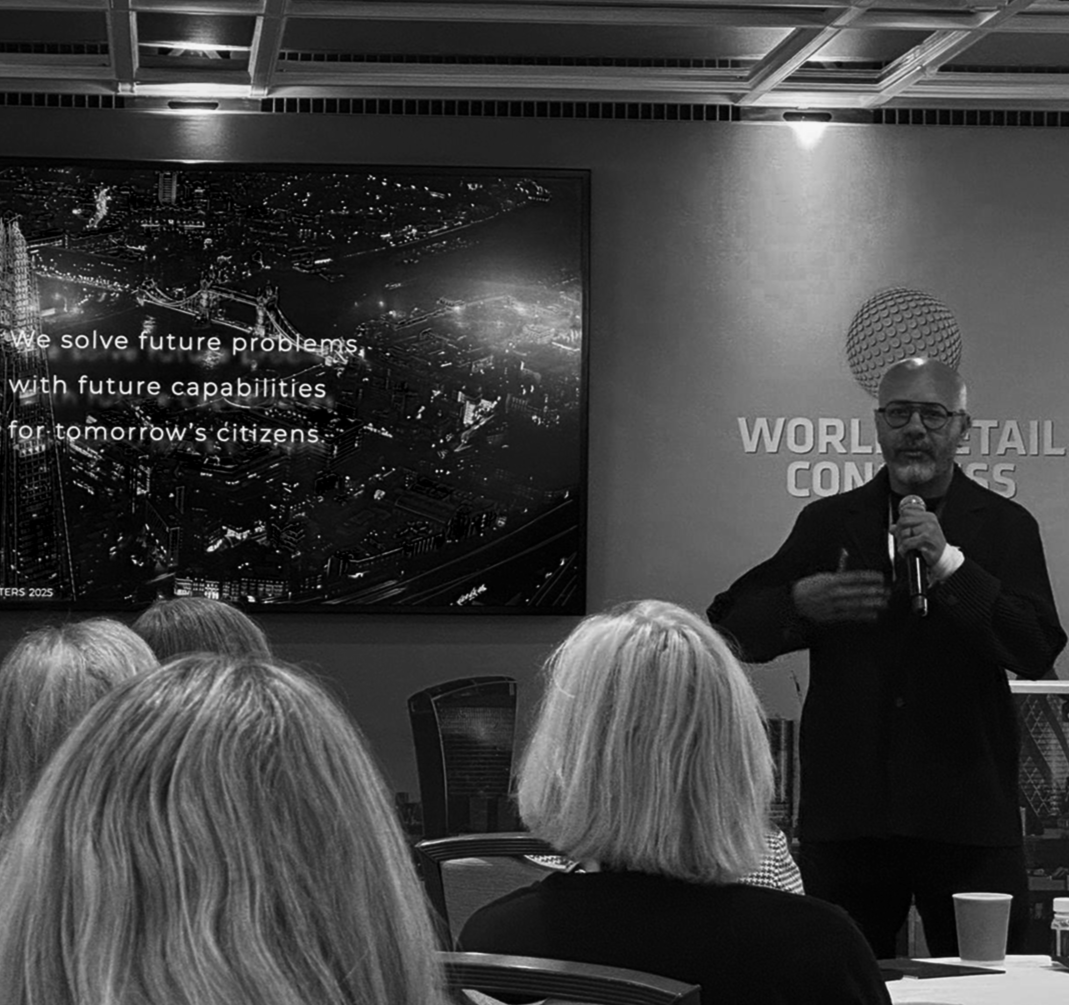
At this year’s World Retail Congress, one theme stood out above all others: the future of retail will be powered by AI, but shaped by human connection.
Discussions explored how technology can create more personalised, seamless and meaningful shopping experiences without losing the emotional value customers still expect from brands.
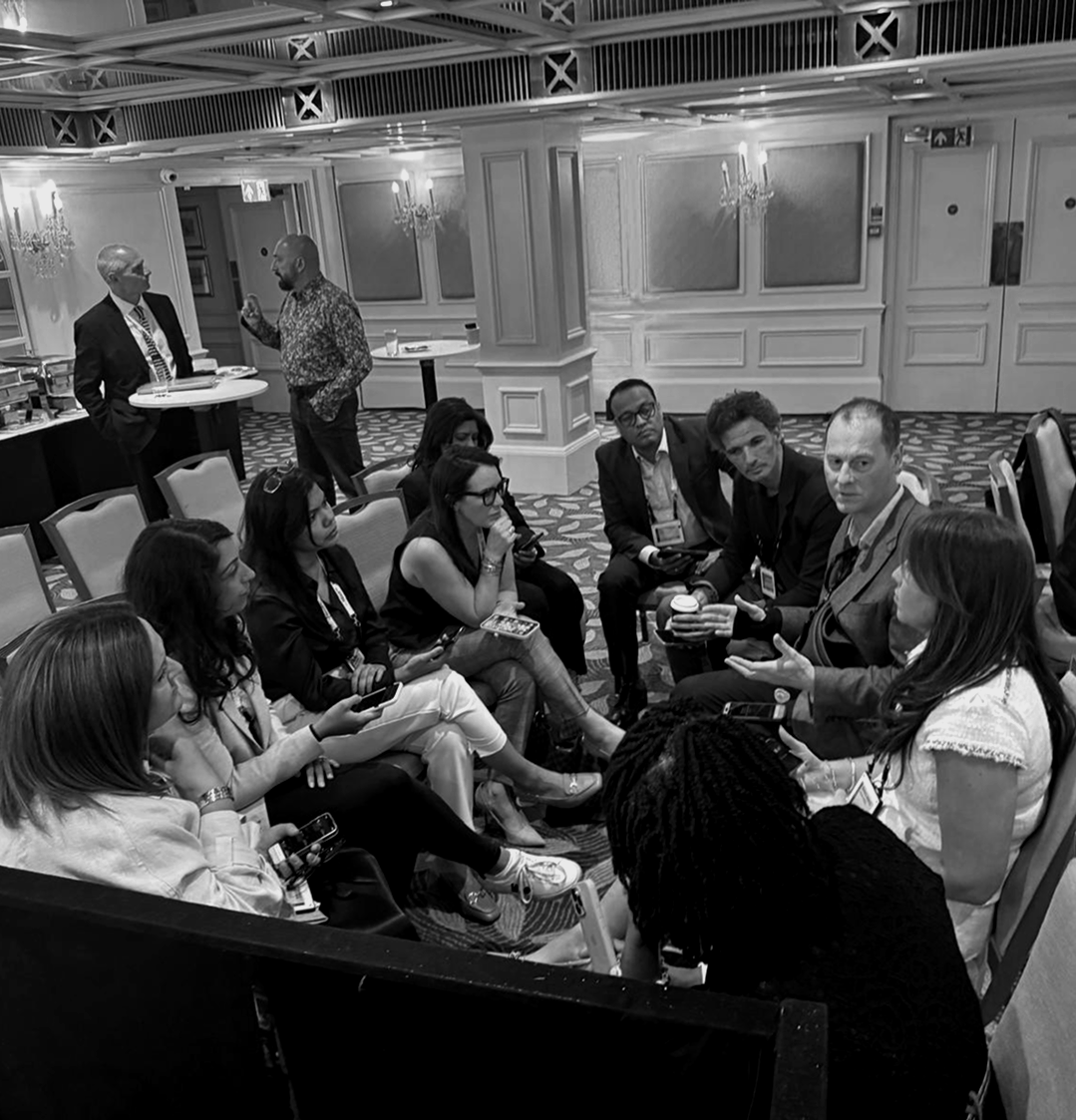
Industry participants split into teams and practiced HACKMASTERS’s Future Thinking methodology through our Scenario Building Exercise and developed three independent future scenarios inspired by the HACKMASTERS 2026 Drivers of Change.
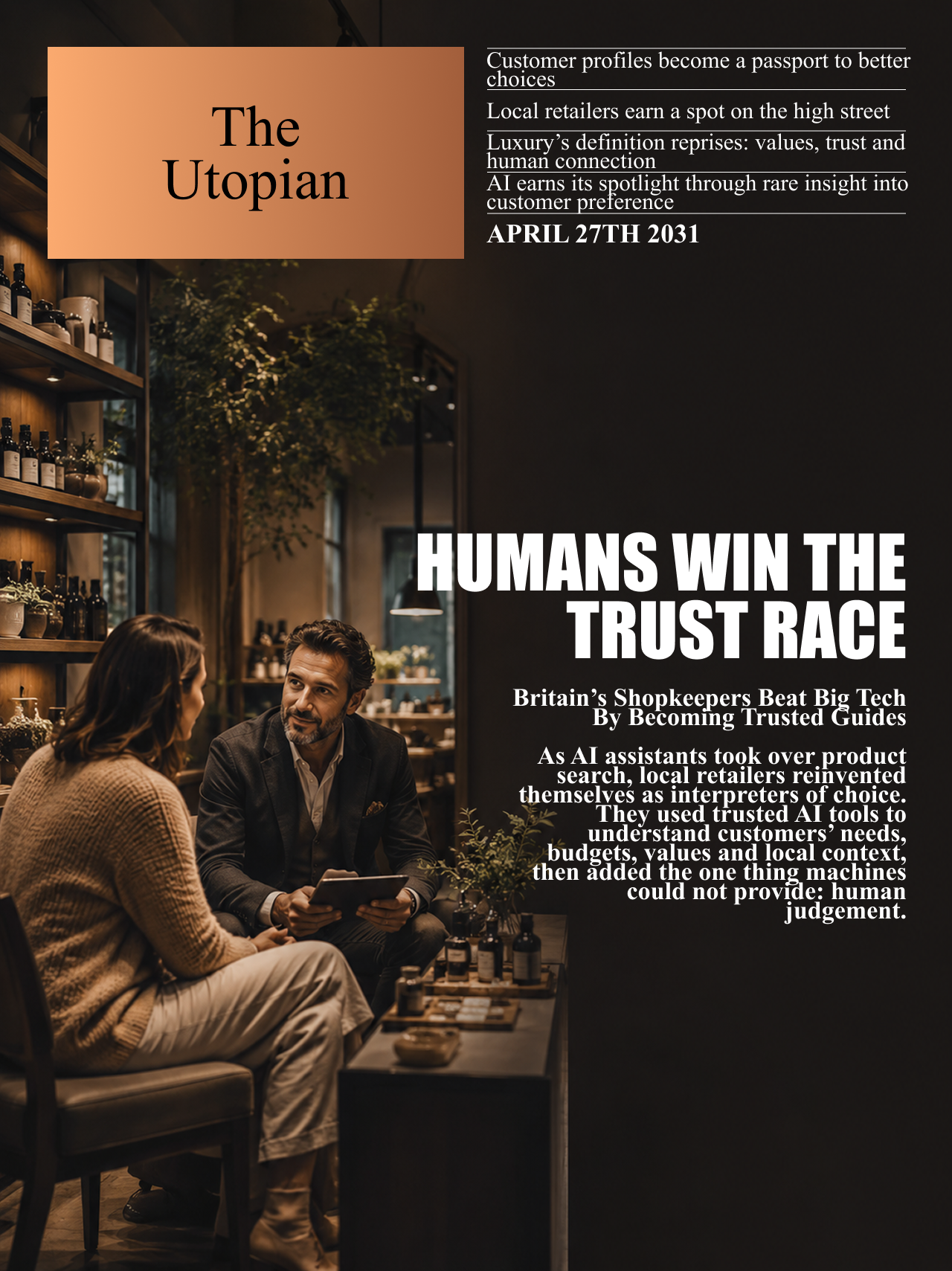
1. AI-AUTOMATED SHOPPING, HUMAN-LED CHOICE
In this scenario, AI takes on the role of researching, filtering and recommending products on behalf of consumers.
Customers increasingly rely on trusted digital assistants to navigate overwhelming levels of choice, but they still look to people for reassurance, context and judgement.
Retailers that succeed are those that combine the efficiency of AI with human expertise, local relevance and authentic customer relationships.
The competitive advantage moves from offering more products to helping customers identify what matters most to them. Retail becomes less about transactions and more about trusted guidance.
scenario maturity
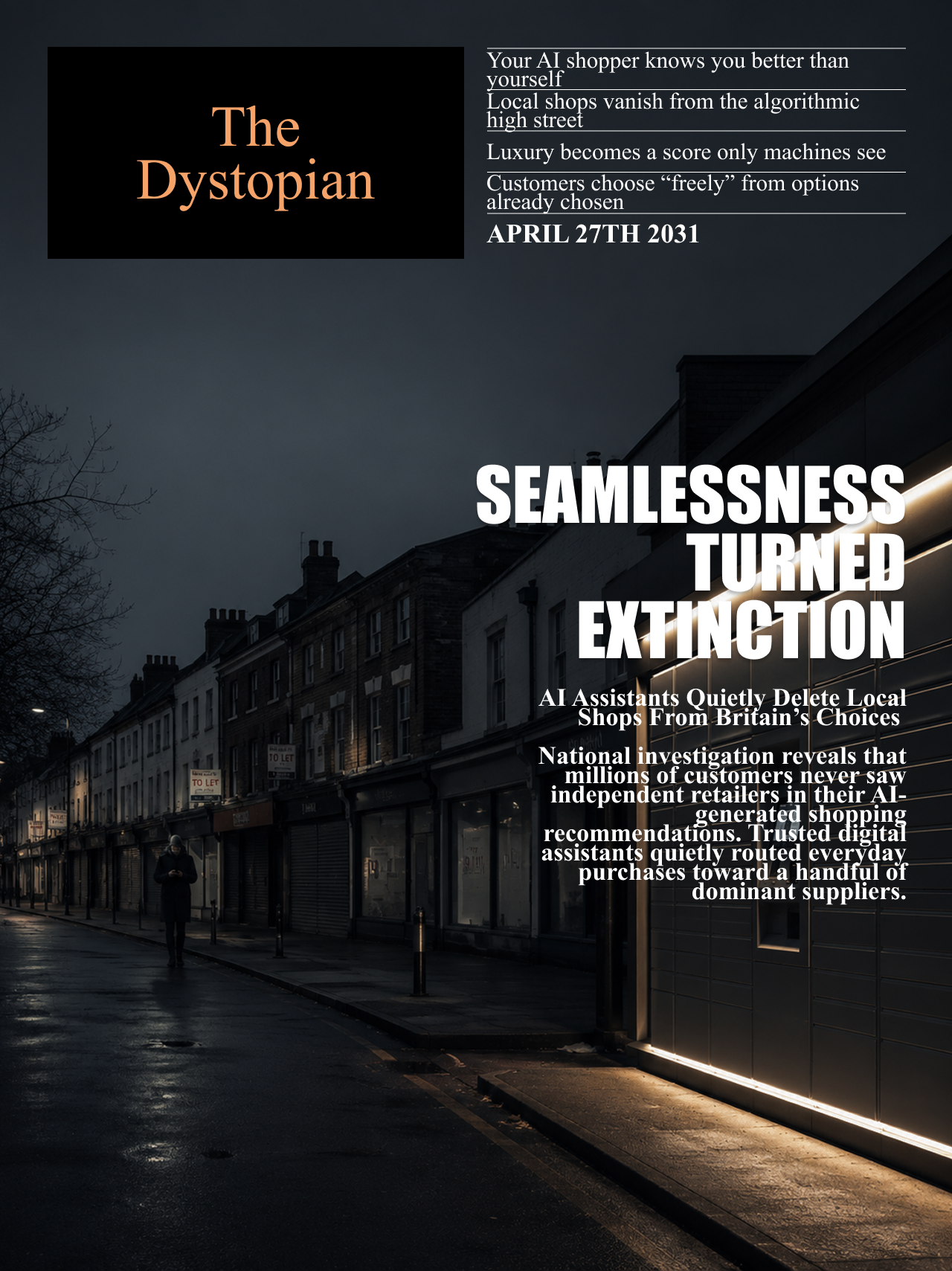
FUTURE ARTEFACTS
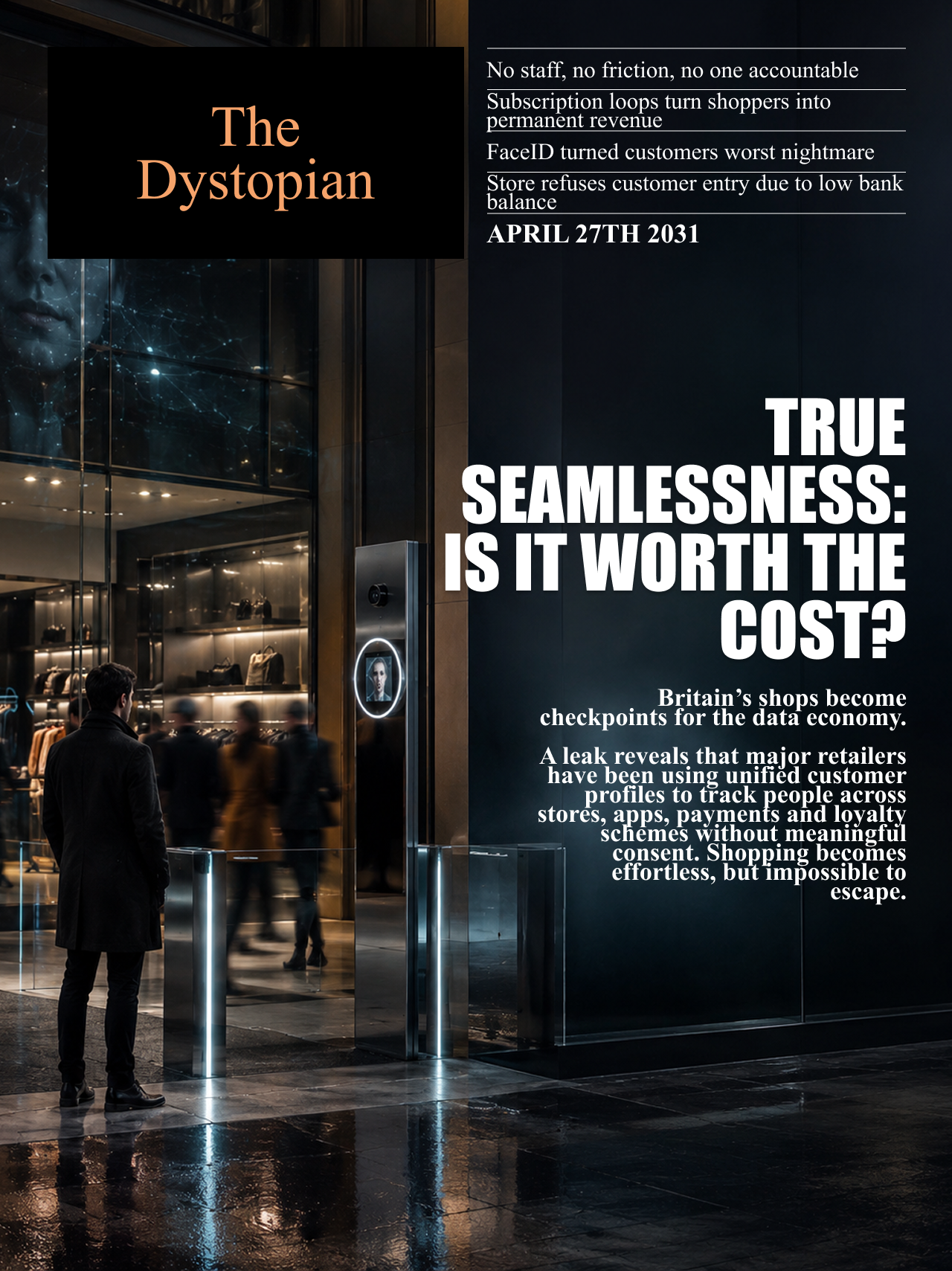
2. Fully Omni-Channel, Tech-Led Retail
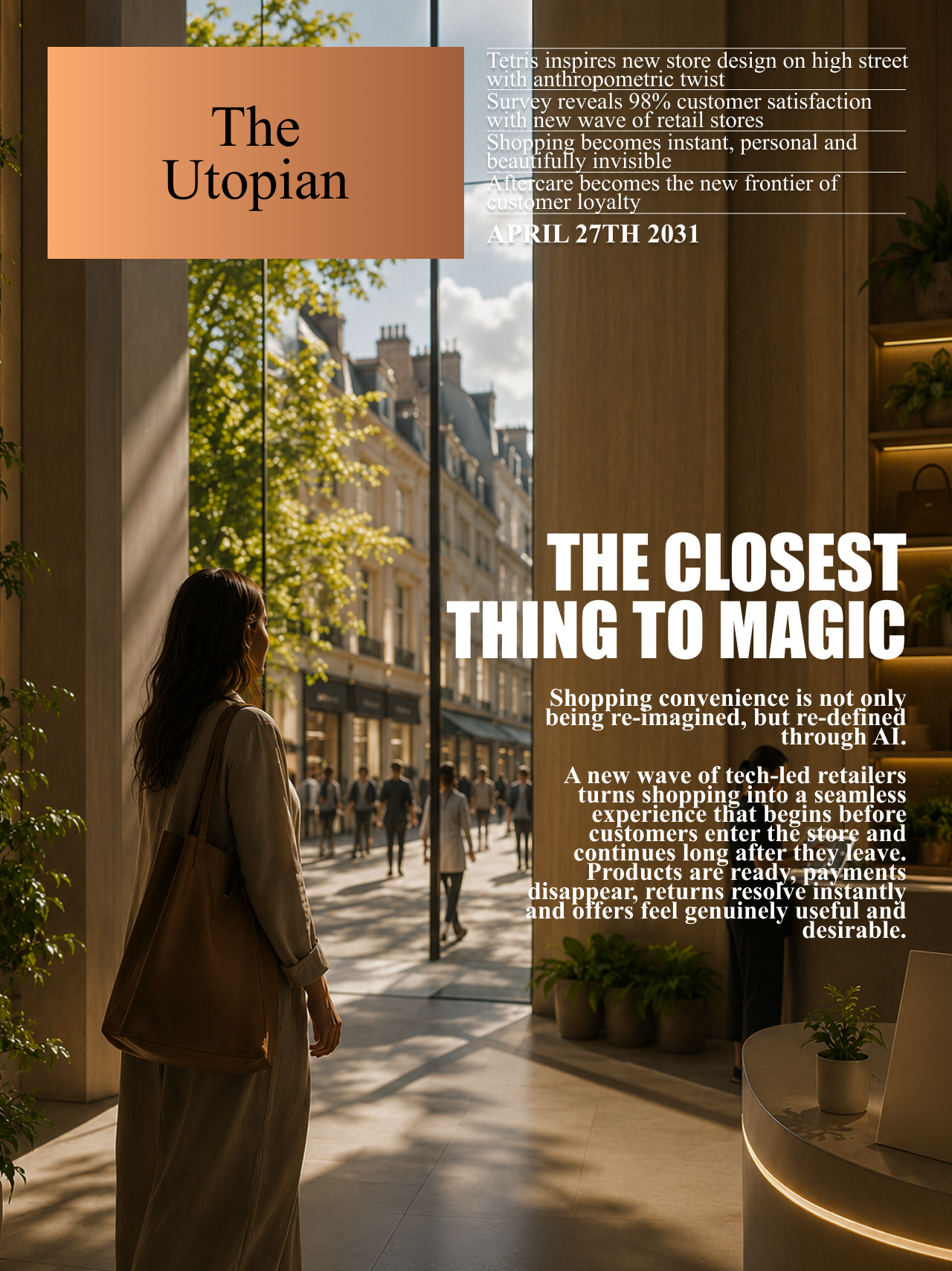
This scenario represents a future where convenience becomes the dominant driver of retail design.
Customers move seamlessly between digital and physical environments, with their identity, preferences, payment methods and purchase history integrated into a single experience.
Stores remain important because consumers still want to see, touch and experience products, but interaction with staff becomes optional rather than expected.
The strongest retailers create frictionless journeys where customers can browse independently, purchase instantly and receive personalised offers without disruption. While this creates significant efficiency and convenience, it also raises questions about privacy, inclusion and the future role of retail employees.
scenario maturity
FUTURE ARTEFACTS
3. Magic Recognition: Data-Led Human Luxury
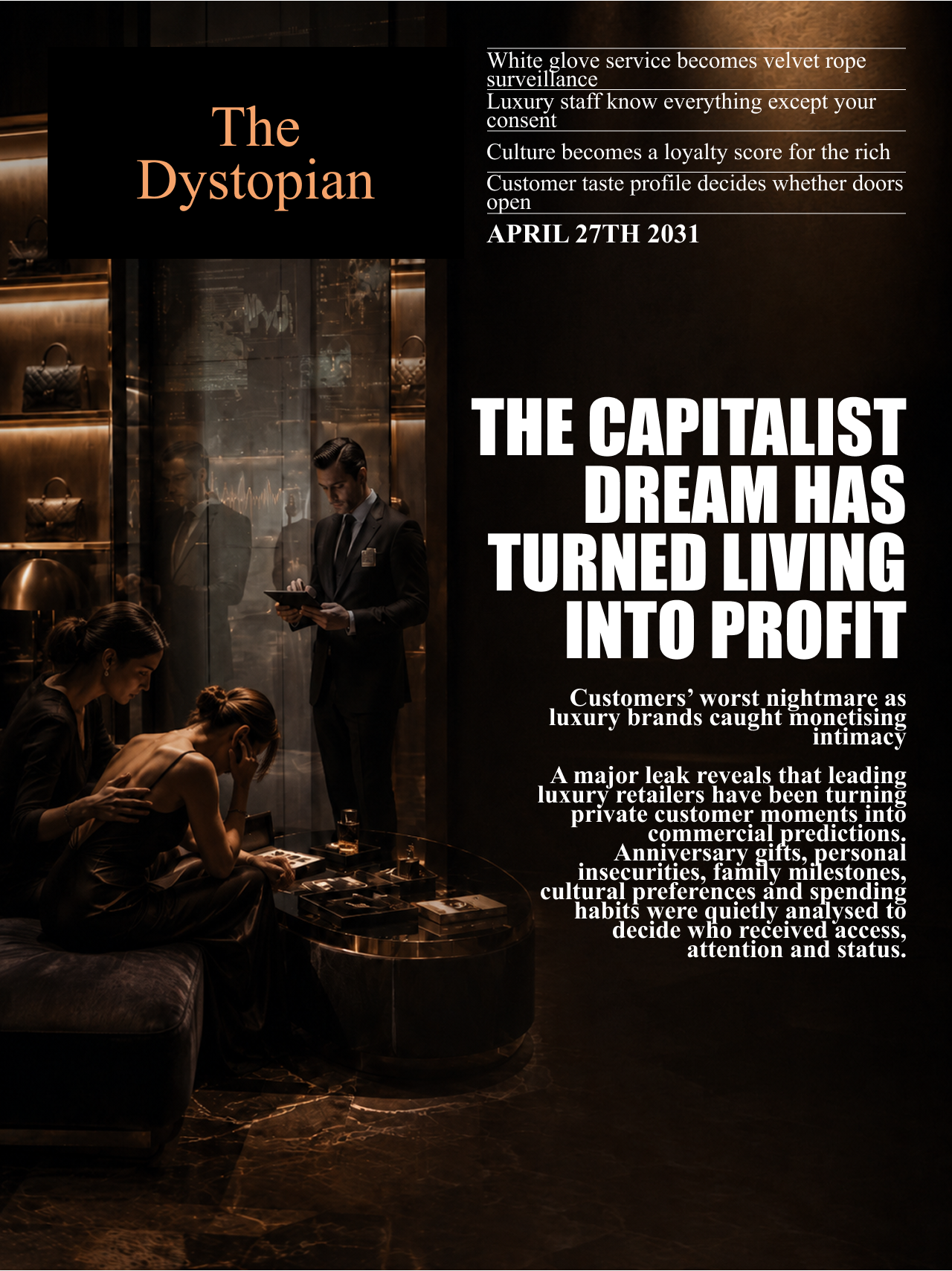
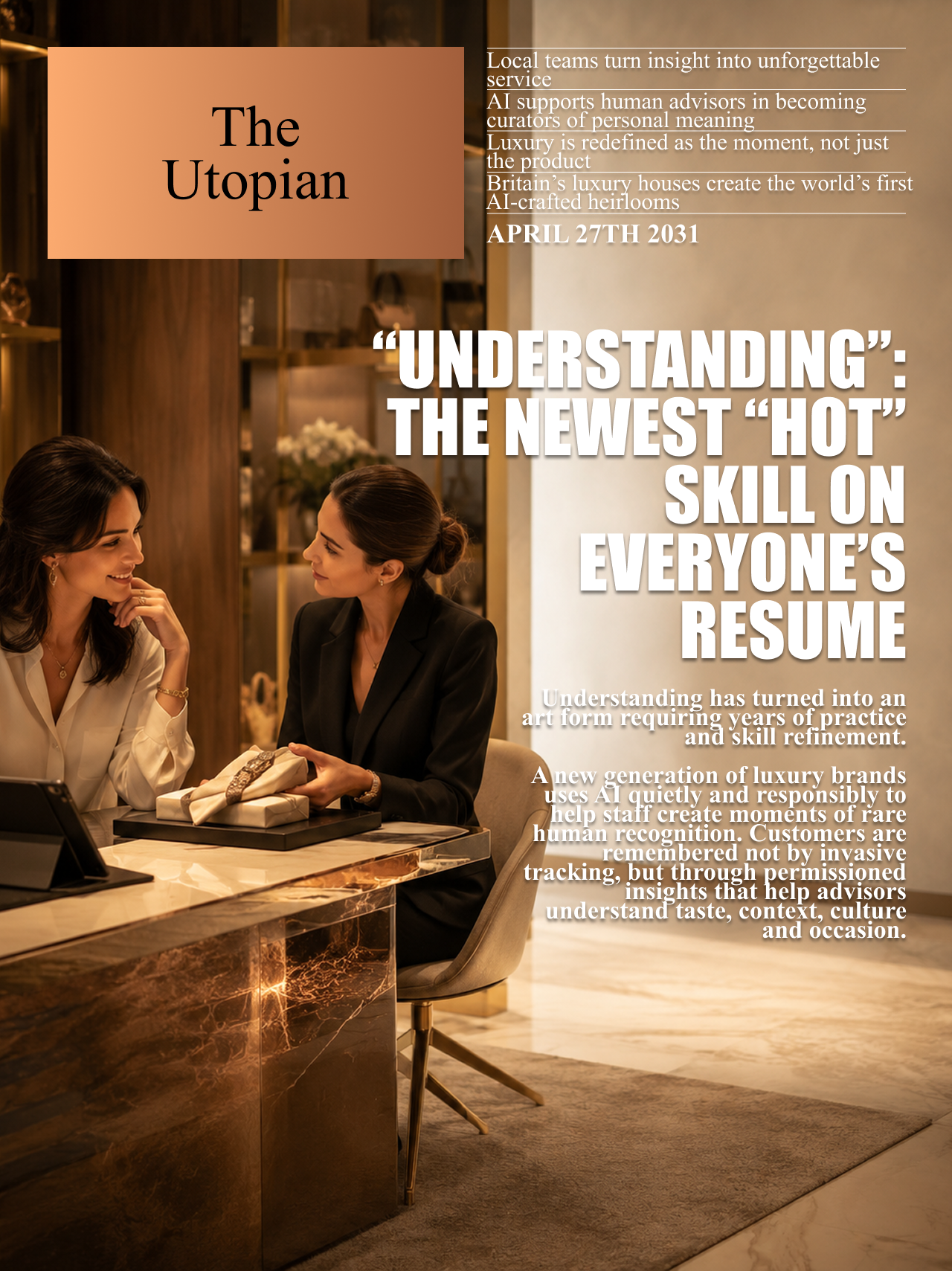
The third scenario, Magic Recognition: Data-Led Human Luxury, focuses on the luxury sector where human interaction remains central but is transformed through intelligent use of data.
In this future, luxury customers expect brands to recognise them, understand their preferences and provide highly personalised experiences. AI operates largely behind the scenes, empowering staff with insights that allow them to create moments of trust, recognition and cultural relevance. Success comes not from product exclusivity alone, but from relationship exclusivity.
Luxury brands differentiate themselves by offering privileged access, meaningful experiences and a sense of personal understanding that customers cannot easily find elsewhere.
scenario maturity
FUTURE ARTEFACTS


OUR WORLD RETAIL CONGRESS OFFER
We can run a 3 hour taster session for your team anywhere in the world.
We can share our tools and further methods with you to use them for a limited time over the next 2 weeks.
If interested, email saher@hackmasters.co.uk or